Caregivers of individuals with Fetal Alcohol Spectrum Disorder (FASD), often find themselves navigating a labyrinth of emotions—hurt, embarrassment, confusion, and overwhelm. These feelings can be intensified by the insensitive remarks and misunderstandings of others. But amidst the challenges, we can find humor and resilience.
Enjoy our story to highlight experiences, complete with funny comebacks to those mean-spirited comments.
A Day in the Life of a Caregiver
Meet Kate, a dedicated caregiver to her 12-year-old son, Zak, who has FASD. Kate’s days are filled with love, patience, and, unfortunately, moments of frustration and hurt due to the lack of understanding from others.
Here’s how she handles it all with grace and a touch of humor.
The Grocery Store Incident
Issue: While shopping, Zak suddenly starts rearranging items on the shelves. A passerby gives Kate a judgmental look and says, “Can’t you control your child?”
Funny Comeback: Kate smiles and replies, “Oh, he’s just practicing for his future career as a store manager. He’s got big plans!”
The School Meeting
Issue: During a parent-teacher conference, the teacher comments, “Zak seems to be daydreaming a lot. Maybe he’s just not trying hard enough.”
Funny Comeback: Kate chuckles and says, “Well, he’s actually brainstorming his next big invention. You never know, he might just be the next Einstein!”
The Playground Encounter
Issue: At the playground, another parent remarks, “Your son is a bit too old to be playing with the younger kids, don’t you think?”
Funny Comeback: Kate grins and responds, “He’s just ahead of his time, mentoring the next generation of playground pros!”
The Family Gathering
Issue: During a family dinner, a relative says, “Maybe if you were stricter, Zak would behave better.”
Funny Comeback: Kate laughs and says, “Strict? I’ve got a PhD in patience and a black belt in creative parenting. Trust me, we’re doing just fine!”
The Doctor’s Office
Issue: At a routine check-up, a nurse comments, “He doesn’t look like he has any issues. Are you sure he’s got FASD?”
Funny Comeback: Kate smiles and says, “Well, looks can be deceiving. He’s got a hidden superpower that only the special ones can see!”
Finding Empathy and Humor
It’s not always easy to find empathy when you’re hurt, embarrassed, confused, or overwhelmed. But humor can be a powerful tool to deflect negativity and educate others. Here are some strategies to help caregivers manage these challenging emotions:
- Educate Others: Sometimes, people make insensitive comments out of ignorance. Take a moment to educate them about FASD and its challenges.
- Find Support: Connect with other caregivers who understand your journey. Sharing experiences can provide emotional relief and practical advice.
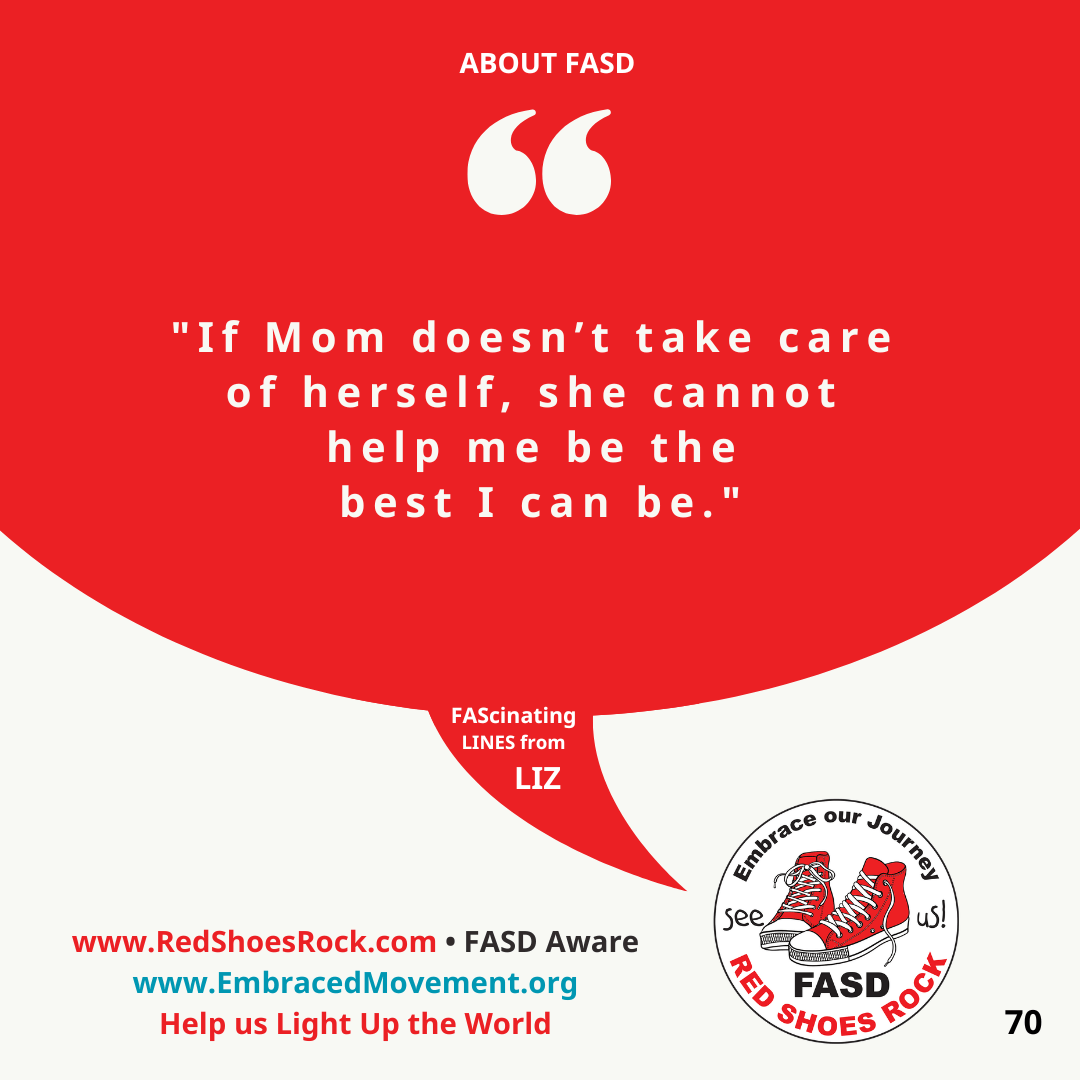
- Practice Self-Care: Regular self-care can help manage stress and improve your overall well-being. Take breaks, pursue hobbies, and prioritize your mental health.
- Use Humor: A well-placed joke can diffuse tension and make a point. It also helps to lighten your own mood.
- Set Boundaries: It’s okay to walk away from negative conversations or set boundaries with people who are consistently unsupportive.
Conclusion
Being a caregiver for someone with FASD is a journey filled with ups and downs. While it’s natural to feel hurt, embarrassed, confused, or overwhelmed, it’s important to remember that you’re not alone. By finding humor in difficult situations and using it as a tool to educate and deflect negativity, you can navigate these challenges with grace and resilience. So, the next time someone makes a mean-spirited comment, channel your inner comedian and hit them with a funny comeback. After all, laughter is the best medicine, and a little humor can go a long way in fostering empathy and understanding.
TODAY’S NOTE: “I need my mom to take care of herself. Because when she does not she does not have enough good pieces left to help me. – In Solidarity, Liz (1986-July 6, 2024)”
 Red Shoes Rock
I’m going to save these one liners from Kate. They are brilliant!
LikeLike