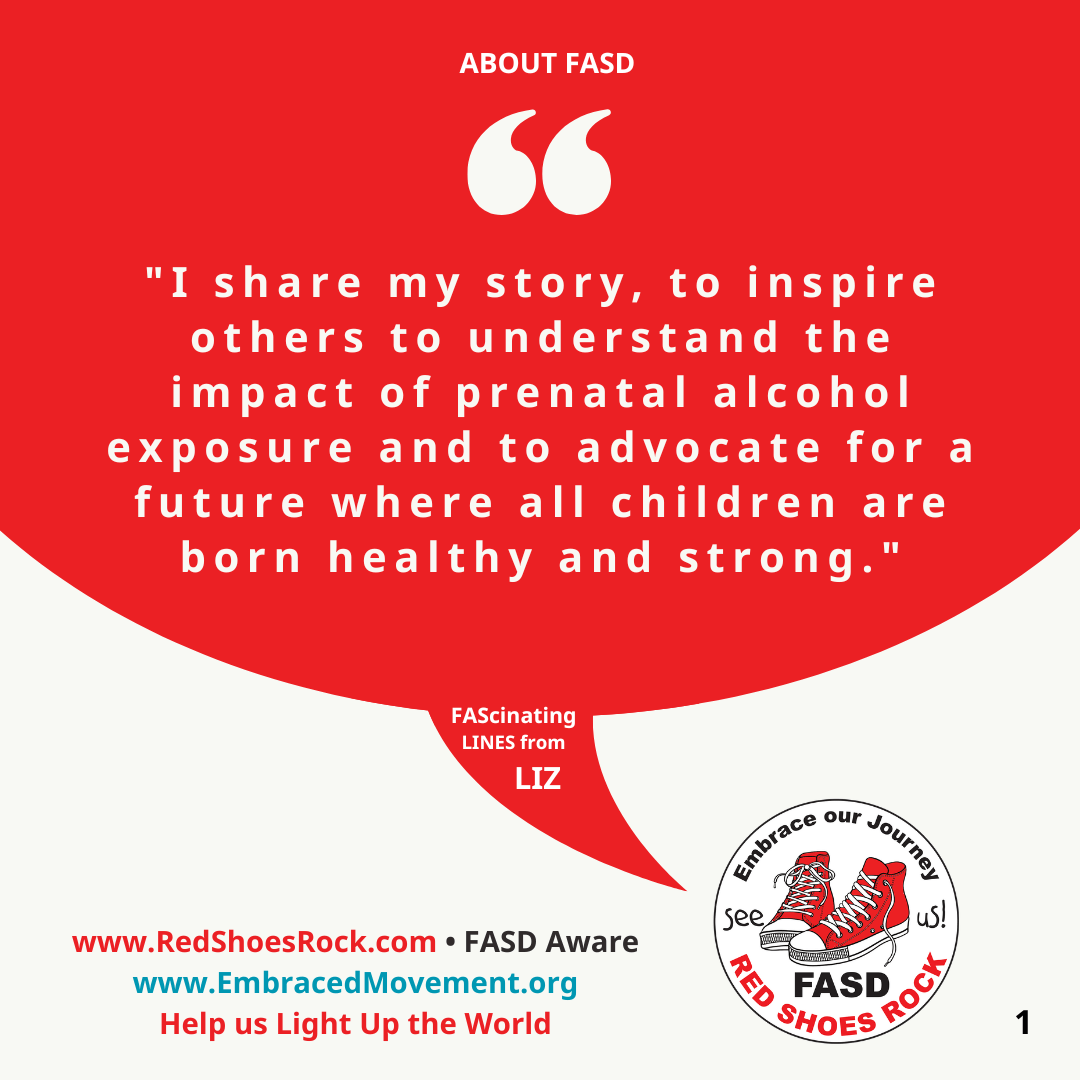
In 1997, Liz Kulp, age 13, asked her mother to help her write a book about FASD. She wanted people to understand what it was like to live inside her brain. From that first book, The Best I Can Be: Living with FASD — to share what it was like to be a child with her brain and sensory issues – came three more books from herself and her family about her life.
- Our FAScinating Journey: Keys to Brain Potential – exposing homeschooling strategies that made a difference
- Braided Cord: Tough Times In and Out – exposing the dangers and complexities of adult transition
- New Beginnings: Better Than This – exposing the beginning of her adult medical journey
Today is Liz’s 38th birthday and she fights each day to keep her life. She wants to continue living. She is hoping for a future pancreas/kidney transplant. These next 99 days you will share with us, pieces of understanding our current story.

Why should you CARE?
Absolutely, let’s dive into Liz Kulp’s heartfelt perspective on living with Fetal Alcohol Spectrum Disorders (FASD) and why it’s crucial for us to care:
- Living with FASD:
Living with Fetal Alcohol Spectrum Disorders (FASD) is like navigating a world filled with invisible obstacles. It’s waking up every day with a brain that doesn’t quite fit the mold, a body that does not make sense to the most seasoned professionals. It can be a struggle to make sense of a world that often feels overwhelming and confusing. It’s forgetting things others take for granted, like names, dates, and instructions, and feeling frustrated when others don’t understand why. The brain part of FASD is hard, the medical issues are way harder. - The Daily Challenges:
From the outside, it may seem like behaviors, forgetfulness or clumsiness, but for those of us living with FASD, it’s a daily battle against our own minds. Simple tasks like following directions, managing time, and regulating emotions can feel like climbing Mount Everest. It’s not that we don’t want to succeed—it’s that our brains are wired differently, and sometimes, it feels like the world just doesn’t get it. - The Need for Understanding:
That’s why it’s so important for us to care—to truly understand what it’s like to walk in the shoes of someone with FASD. It’s about seeing beyond the behaviors and challenges and recognizing the resilience and strength within each of us. It’s about creating a world where individuals with FASD are embraced for who they are, not judged for who they aren’t. - Breaking Down Stigma:
FASD isn’t just a diagnosis; it’s a stigma that often follows us wherever we go. It’s the sideways glances and whispered judgments, the misconceptions and stereotypes that paint us as lazy, unmotivated, or unintelligent. But the truth is, we’re warriors fighting battles most people can’t even imagine, and we deserve to be seen, heard, and supported. - The Power of Empathy:
That’s where empathy comes in—putting ourselves in someone else’s shoes and seeing the world through their eyes. It’s about listening without judgment, offering a helping hand, and standing up for those who need it most. Because when we care enough to truly understand, we create a ripple effect of kindness and compassion that can change lives. - The Call to Action:
So, let’s make a commitment to care—to educate ourselves about FASD, to advocate for better support and resources, and to create a more inclusive and understanding world for all. Let’s amplify the voices of those living with FASD and empower them to share their stories and experiences. Together, we can break down barriers, shatter stigma, and build a brighter future for everyone. - Closing Thoughts:
Living with FASD isn’t easy, but with understanding, acceptance, and support, we can overcome the challenges and embrace our strengths. It’s time to stand together as allies, champions, and advocates for change. Because when we care enough to make a difference, anything is possible.
I want to live!
In solidarity and hope,
Liz Kulp
 Red Shoes Rock
I am blown away, Jodi and Liz. We have your book! Just made the connection now. Thank you for creating it together for other caregivers and kids to take inspiration from.
LikeLike