Bullies may target individuals with Fetal Alcohol Spectrum Disorder (FASD) for several reasons related to the characteristics and challenges associated with this condition:
Vulnerability
Individuals with FASD often exhibit traits that make them more vulnerable to bullying:
- Social skills deficits: Children with FASD may struggle with social interactions and understanding social cues, making them easier targets for bullies
- Cognitive impairments: FASD can cause learning difficulties and problems with judgment, which bullies may exploit.
- Behavioral issues: Some individuals with FASD display impulsivity, aggression, or other challenging behaviors that may attract negative attention
Misunderstanding and Stigma
There are several factors related to misunderstanding and stigma that can contribute to bullying:
- Lack of awareness: Many people, including peers, may not understand FASD and its effects, leading to misinterpretation of behaviors
- Stigma: The stigma associated with FASD can extend to the affected individuals, making them targets for discrimination and bullying.
- Blame and misconceptions: Some may incorrectly blame the individual for their challenges, not recognizing that FASD is a neurodevelopmental disorder
Perceived Differences
Bullies often target those who appear different:
- Physical characteristics: Some individuals with FASD may have distinctive facial features that set them apart
- Academic struggles: Children with FASD may perform poorly in school, which can make them targets for academic-related bullying.
- Behavioral differences: The unique behavioral patterns associated with FASD may be perceived as “odd” by peers, attracting negative attention
It’s important to note that individuals with FASD, like other vulnerable populations, may benefit from targeted support and interventions to help prevent bullying and promote inclusion. Education about FASD, fostering a supportive school environment, and teaching social skills can all help reduce the risk of bullying for these individuals.
On the flip side…
People with Fetal Alcohol Spectrum Disorder (FASD) may engage in bullying behaviors for several complex reasons:
Behavioral and Social Challenges
Individuals with FASD often face significant behavioral and social difficulties that can contribute to bullying:
- Impulsivity: People with FASD may act without thinking, leading to aggressive or hurtful behaviors
- Social skills deficits: They often struggle to understand social cues and appropriate interactions, which can result in unintentionally aggressive behavior.
- Difficulty with empathy: Some individuals with FASD may have trouble understanding or relating to others’ feelings, making it harder to recognize the impact of their actions
Emotional and Mental Health Factors
Several emotional and mental health issues can contribute to bullying behavior in individuals with FASD:
- Frustration and anger: Challenges in learning and daily functioning can lead to frustration, which may be expressed through aggression
- Low self-esteem: Some may bully others as a way to boost their own self-esteem or feel more in control.
- Mental health issues: Depression and other mental health problems associated with FASD can sometimes manifest as aggressive behavior
Environmental Influences
The environment and experiences of individuals with FASD can also play a role:
- Victimization: Some individuals with FASD may have been bullied themselves, leading them to adopt bullying behaviors as a defense mechanism or learned response
- Lack of understanding: Misinterpretation of their behaviors by others can lead to social isolation, which may result in acting out through bullying.
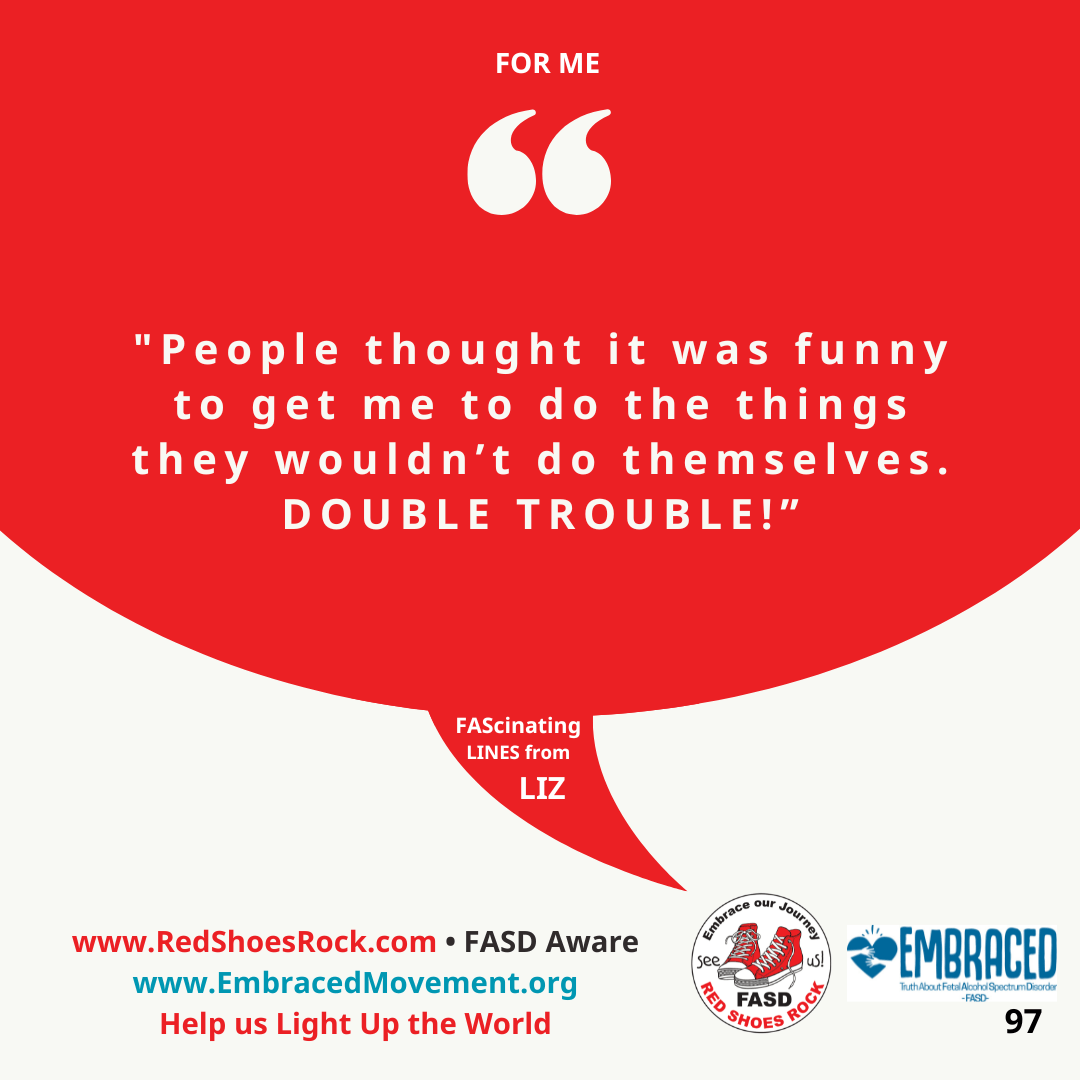
- Peer influence: People with FASD may be more susceptible to negative peer influence, potentially leading them to engage in bullying to fit in or they may be used by another bully as the scapegoat bully.
It’s important to note that not all individuals with FASD become bullies. Many factors, including support systems, interventions, and individual characteristics, play a role in determining behavior. Early diagnosis, appropriate interventions, and supportive environments can help mitigate these risks and promote positive social interactions for individuals with FASD.
What can parents do to prevent bullies and bullying
Parents of children with Fetal Alcohol Spectrum Disorder (FASD) can take several proactive steps to help prevent their child from developing bullying behaviors:
Teach Social Skills and Empathy
- Model appropriate social interactions and explain social cues.
- Use role-playing exercises to practice positive social behaviors.
- Encourage empathy by discussing how others might feel in different situations.
Manage Behavioral Challenges
- Implement consistent routines and clear expectations to reduce impulsivity.
- Use positive reinforcement to encourage good behavior.
- Work with healthcare professionals to develop strategies for managing FASD-related behavioral issues.
Foster Emotional Regulation
- Help your child identify and express their emotions in healthy ways.
- Teach coping strategies for dealing with frustration and anger.
- Create a calm, supportive home environment to reduce stress.
Enhance Self-Esteem
- Celebrate your child’s strengths and accomplishments.
- Provide opportunities for success in various activities.
- Offer unconditional love and support to build a strong sense of self-worth.
Promote Positive Peer Relationships
- Encourage participation in supervised social activities.
- Help your child develop at least one close friendship.
- Teach your child how to recognize and avoid negative peer influences.
Collaborate with the School
- Work closely with teachers to ensure your child receives appropriate support.
- Advocate for accommodations that address your child’s specific needs.
- Participate in developing and implementing an individualized education plan (IEP) if applicable.
Address Victimization
- Be vigilant for signs that your child is being bullied.
- Teach your child how to respond to bullying and when to seek help.
- Intervene promptly if your child is experiencing bullying to prevent them from adopting bullying behaviors as a defense mechanism.
By implementing these strategies, parents can help create a supportive environment that reduces the likelihood of their child with FASD engaging in bullying behaviors. Remember that consistency, patience, and ongoing support are key to helping children with FASD develop positive social skills and relationships.
 Red Shoes Rock