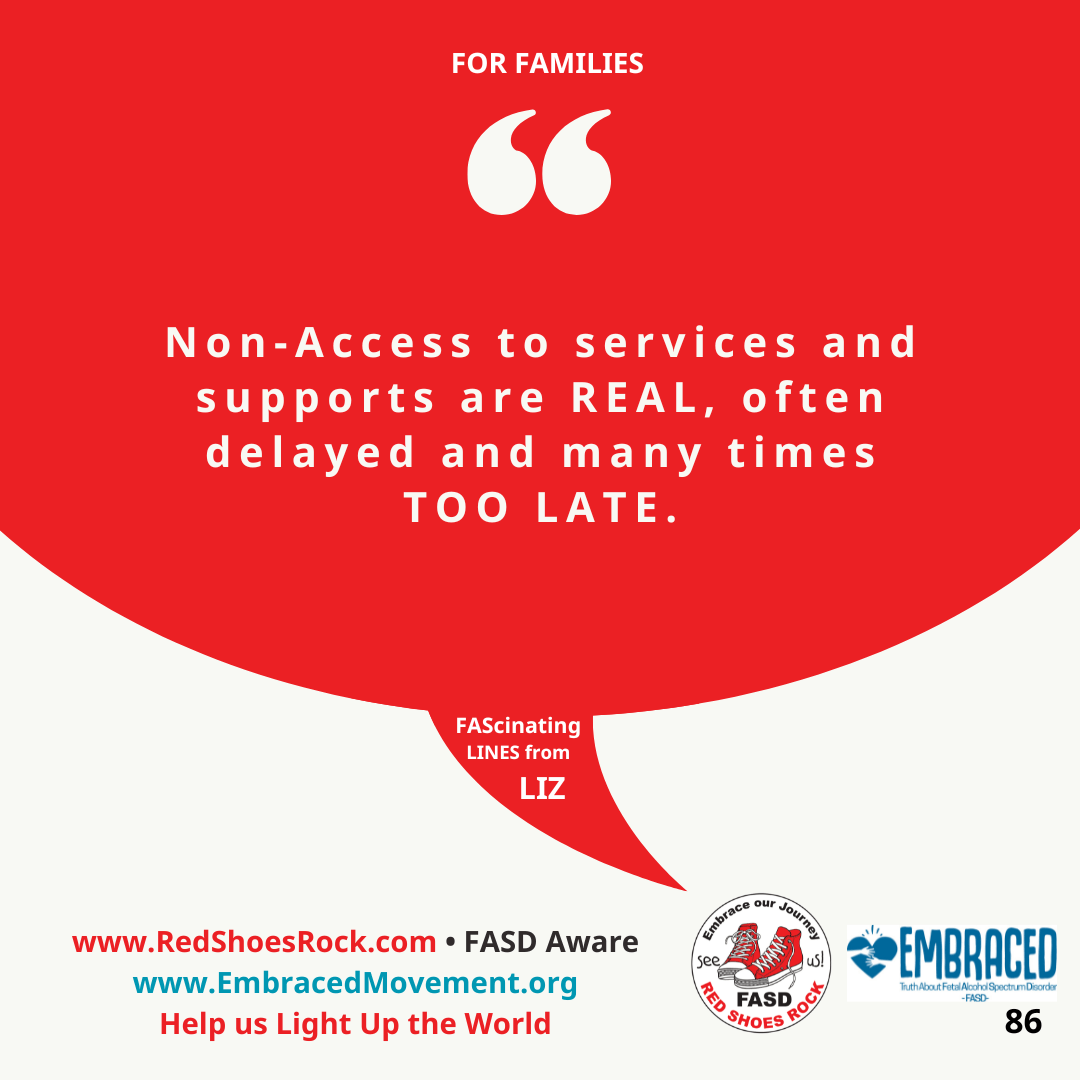
Caring for a person with Fetal Alcohol Spectrum Disorder (FASD) can be a challenging yet rewarding experience. As a caregiver, accessing appropriate services and support is crucial to ensure the well-being of both you and the individual with FASD.
Here are some key strategies and resources to consider:
Understanding FASD
Fetal Alcohol Spectrum Disorder (FASD) encompasses a range of physical, cognitive, and behavioral conditions resulting from prenatal alcohol exposure. These effects can include learning disabilities and behavioral challenges, making it essential for caregivers to be well-informed about the disorder to provide effective support.
Building a Support Network
- Join Support Groups: Engaging with support groups can be incredibly beneficial. The FASD Collaborative Project offers online support groups for caregivers, parents, and self-advocates, providing a platform to share experiences and strategies. Joining support groups for caregivers of individuals with FASD can provide emotional support and practical advice. These groups offer a platform to share experiences and strategies, which can be invaluable for caregivers
- Additionally, Proof Alliance offers a Virtual Family Center for families affected by FASD in Minnesota. Connect with Other Caregivers: Reach out to other grandparents or kin caregivers who are raising children with FASD. Sharing experiences and strategies can provide emotional support and practical advice
Accessing Services
- Early Intervention Services: Early intervention is crucial for children with FASD. These services, available for children from birth to 3 years of age, help them develop essential skills such as talking, walking, and social interaction. Early diagnosis can facilitate access to these services, which can significantly improve developmental outcomes.
- Educational and Developmental Support: Early intervention is crucial for children with FASD. Contact your state’s Early Intervention Contact or Parent Centers to access services that can help children reach their full potential. Collaborate with teachers and educational professionals to develop a strengths-based approach to learning. Children with FASD benefit from special education or homeschooling programs that are tailored to their specific learning needs and styles. These programs can help them reach their full potential by addressing their unique challenges in learning and behavior
- Medical and Professional Assistance: Seek guidance from medical professionals who are knowledgeable about FASD. This can include obtaining a proper diagnosis and accessing therapeutic services tailored to the individual’s needs. In some regions, Key Workers are available to support families of children with FASD. They provide guidance and help navigate the healthcare and educational systems to ensure that the child receives appropriate services.
Self-Care for Caregivers
Caring for a person with FASD can be stressful, and it’s essential to prioritize self-care. Research indicates that caregivers of children with FASD experience high levels of stress, often more than those caring for children with other developmental disorders such as autism. Here are some self-care strategies:
- Take Breaks: Ensure you have time to rest and recharge. Ask a trusted friend or family member to provide respite care when needed.
- Learn Coping Strategies: Participate in support groups or workshops that focus on stress management and coping techniques. These can help you feel more in control and reduce feelings of isolation.
- Educate Yourself: Understanding the unique challenges of FASD can empower you to advocate effectively for the person in your care. Resources like the Asante Centre provide valuable information and guides for caregivers.
Advocacy and Education
Caregivers often need to educate others about FASD, including teachers and healthcare providers. This advocacy is crucial to ensure that the person with FASD receives appropriate accommodations and support. Utilize resources and guides available from organizations like the Asante Centre and Proof Alliance to aid in this effort.
By accessing appropriate services and building a robust support network, caregivers can better manage the challenges of FASD and support the individuals in their care to thrive.
 Red Shoes Rock