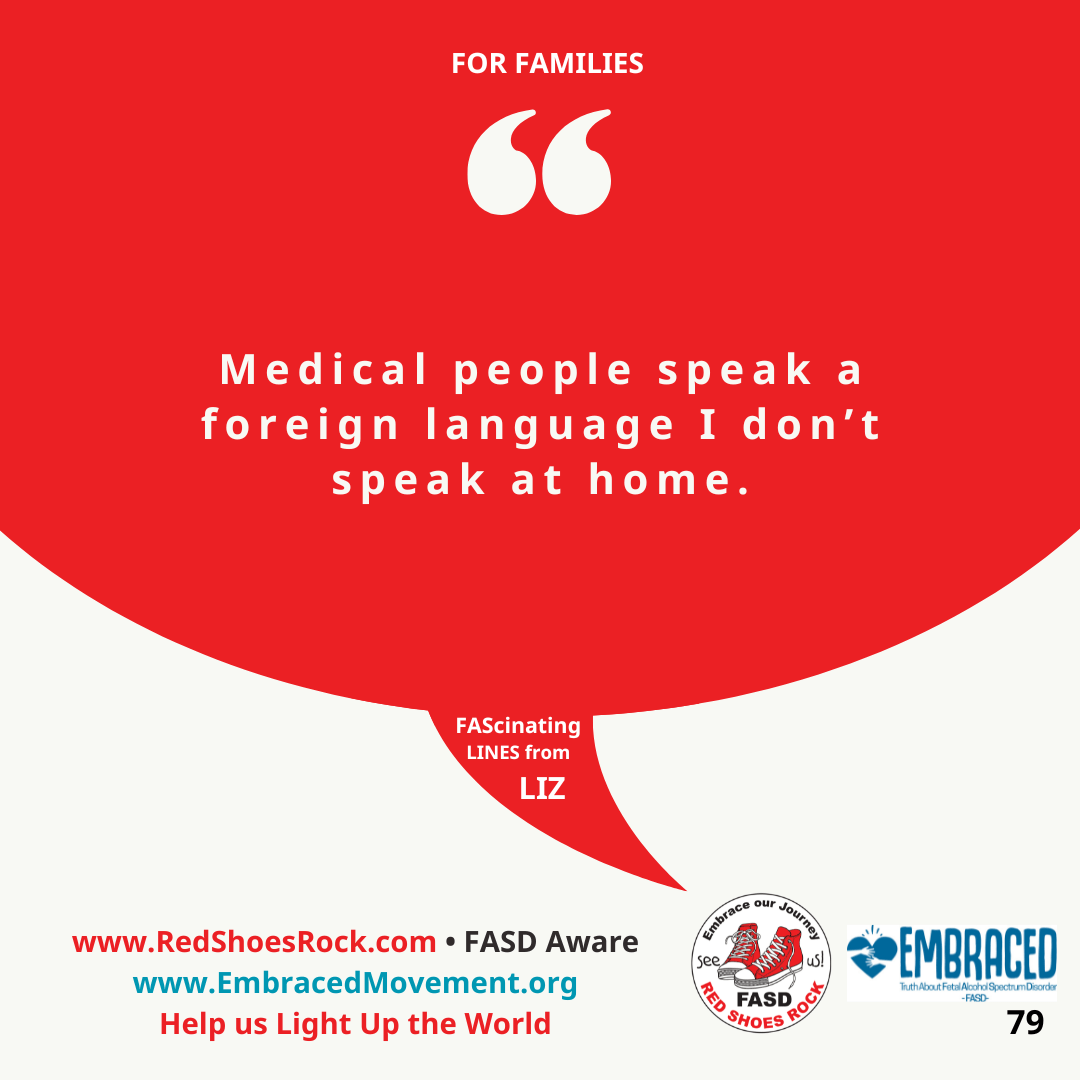
The deeper I fall into the medical system the more I know I knew so little when all this began. I was at the mercy of the medical people who did not even know me or how my body works. I am smarter now.
Here are ten fun and practical ways to communicate effectively with medical professionals to ensure they understand your needs:
- Prepare a “Medical Playlist”: Before your appointment, create a list of key points or questions you want to talk about. This helps ensure you cover all your concerns without forgetting anything important during the discussion. Pick three of your most important discussion points. Do any of your prescriptions need refills? Do you need any special referrals?
- Bring a “Health Buddy”: Invite a friend or family member to join you during appointments. They can provide support, take notes, and help you remember the details discussed, acting like a backup singer in your health journey. Mom calls herself my Care Coordinator or Cognitive Translator. She takes notes, orders supplies and medications, and makes appointments! If you can’t bring a buddy, call a trusted person and include them on speaker phone.
- Use “Visual Aids”: Bring diagrams, charts, or even a health journal with you to visually communicate symptoms or concerns. This can help clarify your points and make the conversation more interactive.
- “Role-Play” Scenarios: Practice explaining your symptoms or asking questions with a friend before your appointment. This rehearsal can boost your confidence and ensure you communicate clearly and effectively.
Furry Comes First is a new program coming to Liberty Ridge Media in 2024 to help with learning to role play events! - Speak in “Soundbites”: Keep your explanations concise and to the point, like delivering a news headline. This helps ensure that the most crucial information is communicated effectively and remembered by your healthcare provider.
“FASD is often invisible but always impactful—understanding it is the first step to effective support.” This highlights the importance of recognizing FASD’s subtle yet significant effects and the need for awareness in providing care.
“Diagnosis is empowerment—accurate FASD identification opens doors to tailored interventions and better outcomes.” Emphasizing the role of diagnosis in enabling targeted support and improving the quality of life for individuals with FASD.
“Prevention starts with awareness—educate about the risks of alcohol during pregnancy to prevent FASD.” A call to action for healthcare providers to spread awareness about the preventable nature of FASD.
“Every patient is unique—FASD requires a personalized approach to care and management.” Underlining the need for individualized treatment plans due to the diverse presentations of FASD.
“Collaboration is key—work with families and communities to create a supportive network for those with FASD.” Encouraging a team-based approach that includes families and community resources to provide comprehensive care. - “Translate” Medical Jargon: If your doctor uses complex medical terms, ask them to explain it in everyday language. Think of it as translating a foreign language into one you understand, ensuring clarity. I always say to the medical people, “Make this make sense.” Sometimes they get really frustrated with me! Oh well!
- “Record the Hits”: With permission, use your phone to record the appointment or use a recording device or app to capture the conversation. This allows you to revisit the discussion later and ensures you don’t miss any important details.
- “Open Mic” Questions: Ask open-ended questions to encourage a more detailed response from your healthcare provider. This can lead to a deeper understanding of your condition and treatment options.
- “Feedback Loop”: After your doctor explains something, repeat it back in your own words to confirm your understanding. This technique, known as “teach-back,” helps ensure both parties are on the same page.
- “Collaborative Jam Session”: Approach your healthcare as a partnership. Share your observations and insights, and invite your provider to collaborate on developing a treatment plan that suits your needs and lifestyle
By employing these creative communication strategies, you can help your interactions with medical professionals become more effective and ensure your needs are clearly understood.
TODAY’S NOTE: “Medical people speak in a foreign language and they expect me to understand… – In Solidarity, Liz (1986-July 6, 2024)
 Red Shoes Rock