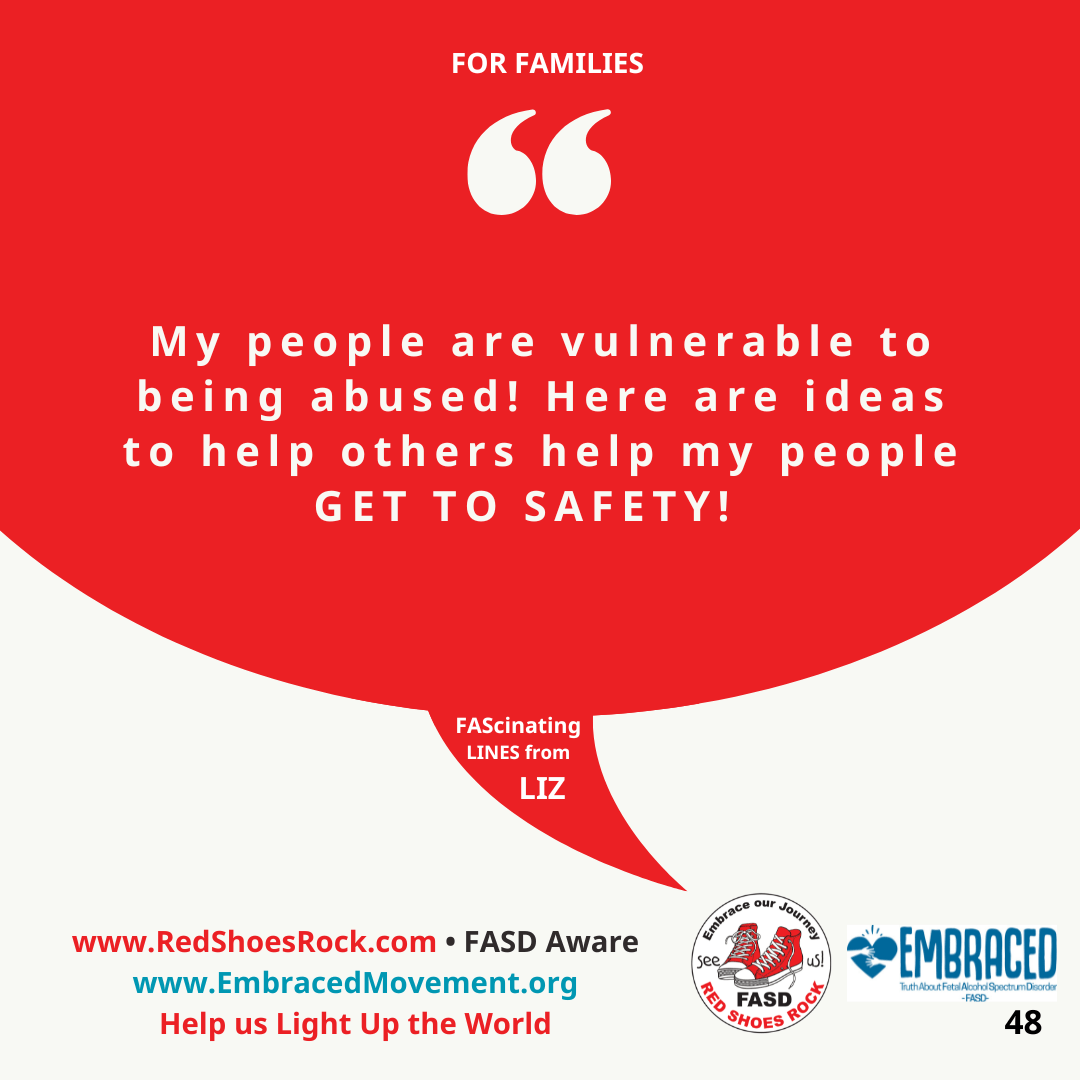
Domestic abuse is a devastating experience for anyone, but for individuals with Fetal Alcohol Spectrum Disorder (FASD), the long-term consequences can be particularly severe and far-reaching. Today, we’re shedding light on this often-overlooked intersection of vulnerability and trauma.
A Perfect Storm of Challenges
Individuals with FASD already face a unique set of challenges due to prenatal alcohol exposure. When domestic abuse enters the picture, it creates a perfect storm of difficulties that can have lasting impacts on nearly every aspect of their lives.
Health Implications
One of the most significant long-term effects is on physical health. Those with FASD who experience domestic abuse are at higher risk for a range of chronic health conditions, including:
- Chronic pain
- Arthritis
- Depression
- Diabetes
- Asthma
- Digestive disorders
These health issues often compound existing FASD-related challenges, creating a complex web of medical needs that can be difficult to address.
Mental Health: A Heavy Burden
The combination of FASD and domestic abuse can wreak havoc on mental health. Individuals may experience:
- Increased rates of depression and anxiety
- Post-traumatic stress disorder (PTSD)
- Higher risk of suicidal thoughts
These mental health challenges can be particularly difficult to navigate, given the cognitive and emotional regulation difficulties often associated with FASD.
Ripple Effects in Daily Life
The impacts of this dual challenge extend far beyond health, affecting nearly every aspect of daily life:
- Cognitive Functioning: Already impacted by FASD, cognitive abilities like attention span, memory, and problem-solving can be further compromised by the trauma of abuse.
- Relationships: Forming and maintaining healthy relationships becomes even more challenging, potentially leading to social isolation.
- Economic Stability: The combined effects can make it difficult to maintain stable employment, leading to financial insecurity.
- Parenting Challenges: For those who become parents, the lasting effects can impact their ability to care for and nurture their own children effectively.
Breaking the Cycle of Vulnerability
Perhaps one of the most concerning long-term effects is the increased vulnerability to further victimization. Individuals with FASD who have experienced domestic abuse may struggle to recognize abusive situations or protect themselves, potentially leading to a cycle of repeated trauma.
A Call for Specialized Support
It’s clear that individuals with FASD who have experienced domestic abuse have complex needs that may not be fully addressed by traditional support services. This underscores the critical need for specialized interventions that understand and address the unique challenges faced by this vulnerable population.
NATIONAL DOMESTIC ABUSE HOTLINE –
Internet usage can be monitored and is impossible to erase completely.
If you’re concerned your internet usage might be monitored,
call us at 800.799.SAFE (7233).
1-800-799-7233
https://www.thehotline.org/
Moving Forward
While the long-term effects of domestic abuse on individuals with FASD are severe, it’s important to remember that with appropriate support and understanding, these impacts can be mitigated. As a society, we must:
- Raise awareness about this intersection of vulnerabilities
- Develop and implement specialized support services
- Train healthcare providers, social workers, and legal professionals on the unique needs of this population
- Advocate for policies that protect and support individuals with FASD, particularly those who have experienced domestic abuse
Caregivers of individuals with Fetal Alcohol Spectrum Disorder (FASD) should be vigilant for potential signs of abuse, as people with FASD can be particularly vulnerable. Here are some key signs to watch for:
- Unexplained physical injuries: Bruises, cuts, burns, or other injuries that the person has difficulty explaining or that seem inconsistent with their explanation.
- Behavioral changes: Sudden shifts in mood, increased anxiety, withdrawal from social interactions, or aggressive outbursts that are out of character for the individual.
- Fear or avoidance of specific people: The person may show fear or try to avoid certain individuals, especially those who are close to them or in positions of authority.
- Financial exploitation: Unexplained loss of money, sudden changes in spending habits, or signs that someone else is controlling their finances.
- Increased substance use: Turning to alcohol or drugs as a coping mechanism, especially if this is a new behavior.
- Difficulty in relationships: Struggling more than usual to maintain healthy relationships or suddenly isolating themselves from friends and family.
- Signs of neglect: Poor hygiene, weight loss, or lack of necessary medical care could indicate self-neglect or neglect by a caregiver.
- Reluctance to speak openly: Being hesitant to talk about their living situation or relationships, especially if this is a change from their usual behavior.
- Increased confusion or memory issues: While memory problems are common in FASD, a sudden increase could be a sign of emotional trauma or abuse.
- Sexual behavior changes: Inappropriate sexual behavior, knowledge beyond their developmental level, or signs of sexually transmitted infections could indicate sexual abuse.
- Regression in skills: Loss of previously acquired skills or increased difficulty with daily tasks may be a response to trauma or abuse.
It’s important to note that individuals with FASD may have difficulty recognizing abusive situations or communicating their experiences effectively. Caregivers should be proactive in monitoring for these signs and seek professional help if abuse is suspected. Early intervention is crucial for protecting these vulnerable individuals and helping them recover from abusive situations.
By shining a light on this often-overlooked issue, we can take the first steps towards creating a more supportive, understanding, and protective environment for some of our most vulnerable community members. It’s not just about addressing the past – it’s about building a safer, more inclusive future for all.
TODAY’S NOTE: “If you are not safe please let someone know – may be they will even believe you. I have been in relationships that hurt in early transition. It is not worth it. GET OUT!” – In Solidarity, Liz“
 Red Shoes Rock