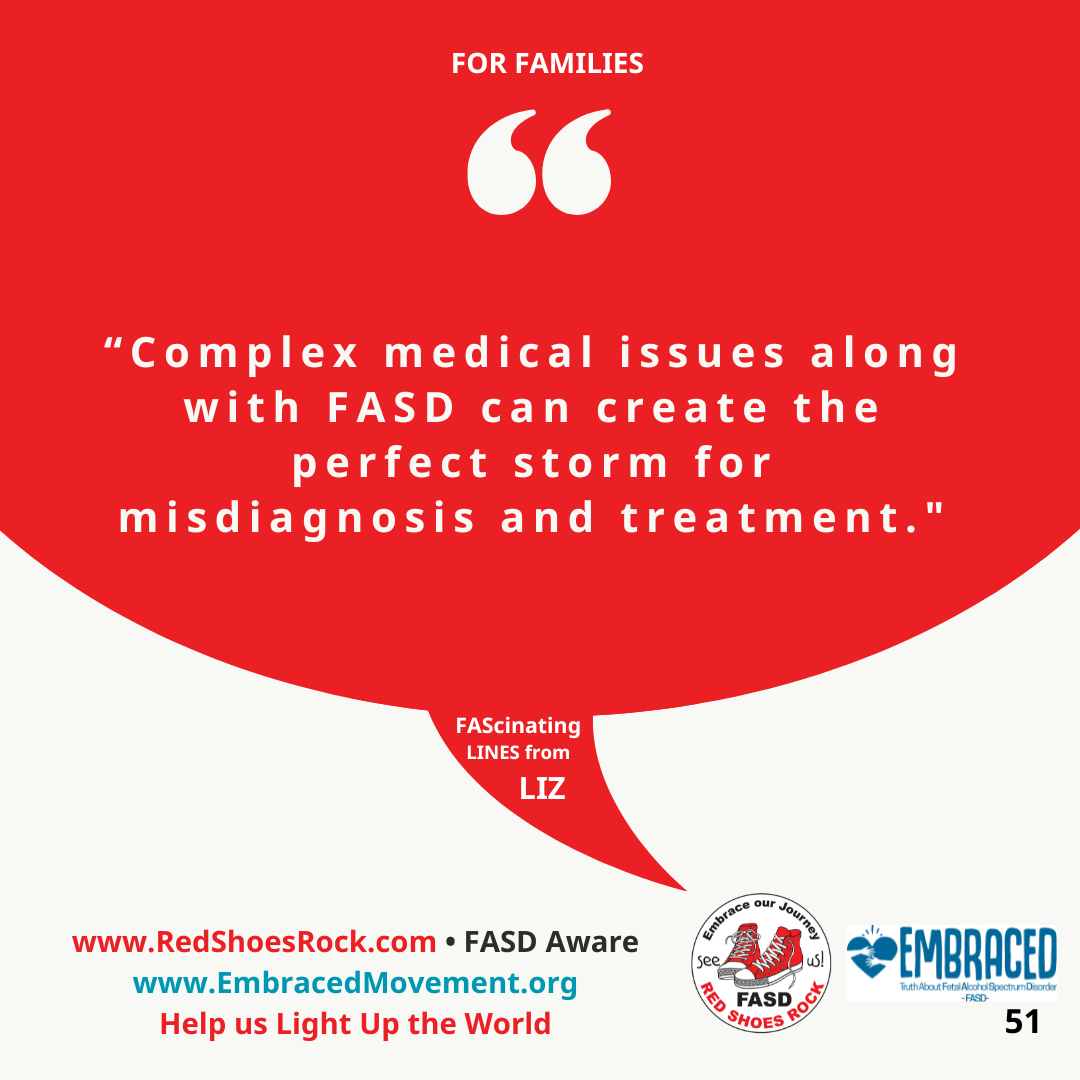
In the complex world of healthcare, few conditions present as many challenges for misinterpretation as Fetal Alcohol Spectrum Disorder (FASD). Today, we’re shining a light on the critical issue of how FASD-related behaviors can be misunderstood in medical settings and exploring ways for healthcare professionals to adapt their approach.
The Invisible Challenge
FASD is often called an “invisible disability” for good reason. Individuals with FASD may not show physical signs of their condition, leading to a dangerous assumption of typical neurological functioning. This invisibility sets the stage for potential misinterpretation of behaviors in medical settings.
Common Misinterpretations
Medical professionals unfamiliar with FASD might misinterpret certain behaviors as:
- Non-compliance or defiance
- Lack of motivation or laziness
- Intentional dishonesty
- Attention-seeking behavior
- Lack of effort or cooperation
In reality, these behaviors often stem from the neurological impacts of FASD, including difficulties with memory, information processing, and executive functioning.
The Ripple Effect of Misunderstanding
When FASD-related behaviors are misinterpreted, it can lead to:
- Incorrect diagnoses
- Ineffective treatment plans
- Frustration for both patients and healthcare providers
- Missed opportunities for appropriate interventions
- Potential trauma for the individual with FASD
Bridging the Gap: Strategies for Healthcare Professionals
Recognizing the potential for misinterpretation is the first step. Here’s how medical professionals can adjust their approach:
1. Educate and Train
Implement comprehensive FASD training for all healthcare staff. This should cover:
- The neurological basis of FASD
- Common behavioral manifestations
- Strategies for effective communication
- Understanding this is a whole body condition, it is not just the brain!
2. Adapt Communication Styles
- Use clear, concrete language
- Provide visual aids when possible
- Allow extra time for processing information
- Repeat important points and check for understanding
3. Create a Sensory-Friendly Environment
- Reduce unnecessary stimuli in examination rooms – know that long waits can escalate or shut down behaviors
- Temperature of room and comfort of person makes a difference – warm blankets don’t last warm long but they do offer comfort
- Offer quiet waiting areas when possible – realize that the bathroom may be a retreat to regroup area
- Be mindful of lighting and sound levels – dim lights if possible and be attentive to bells, rings, sirens, and dings
- Be mindful that gathering initial data for a person with FASD may appear to be anxiety (exaggerated behaviors) or depression (shut down behaviors)
4. Implement Screening Protocols
Develop and use standardized screening tools to identify potential FASD in patients, especially those presenting with behavioral challenges.
5. Collaborate with FASD Specialists
Build relationships with FASD experts and don’t hesitate to consult on complex cases.
6. Practice Patience and Empathy
Remember that behaviors you might find challenging are often not intentional. Approach each interaction with compassion and understanding.
Moving Forward: A Call to Action
As medical professionals, we have a responsibility to continually educate ourselves and adapt our practices to better serve all patients, including those with invisible disabilities like FASD. By recognizing the potential for misinterpretation and taking proactive steps to adjust our approach, we can provide more effective, compassionate care. Let’s commit to looking beyond surface behaviors, seeking to understand the unique challenges faced by individuals with FASD, and creating medical environments where everyone can receive the care they truly need. It’s not just about avoiding misinterpretation – it’s about building a healthcare system that truly serves all, regardless of their neurodevelopmental differences.
 Red Shoes Rock