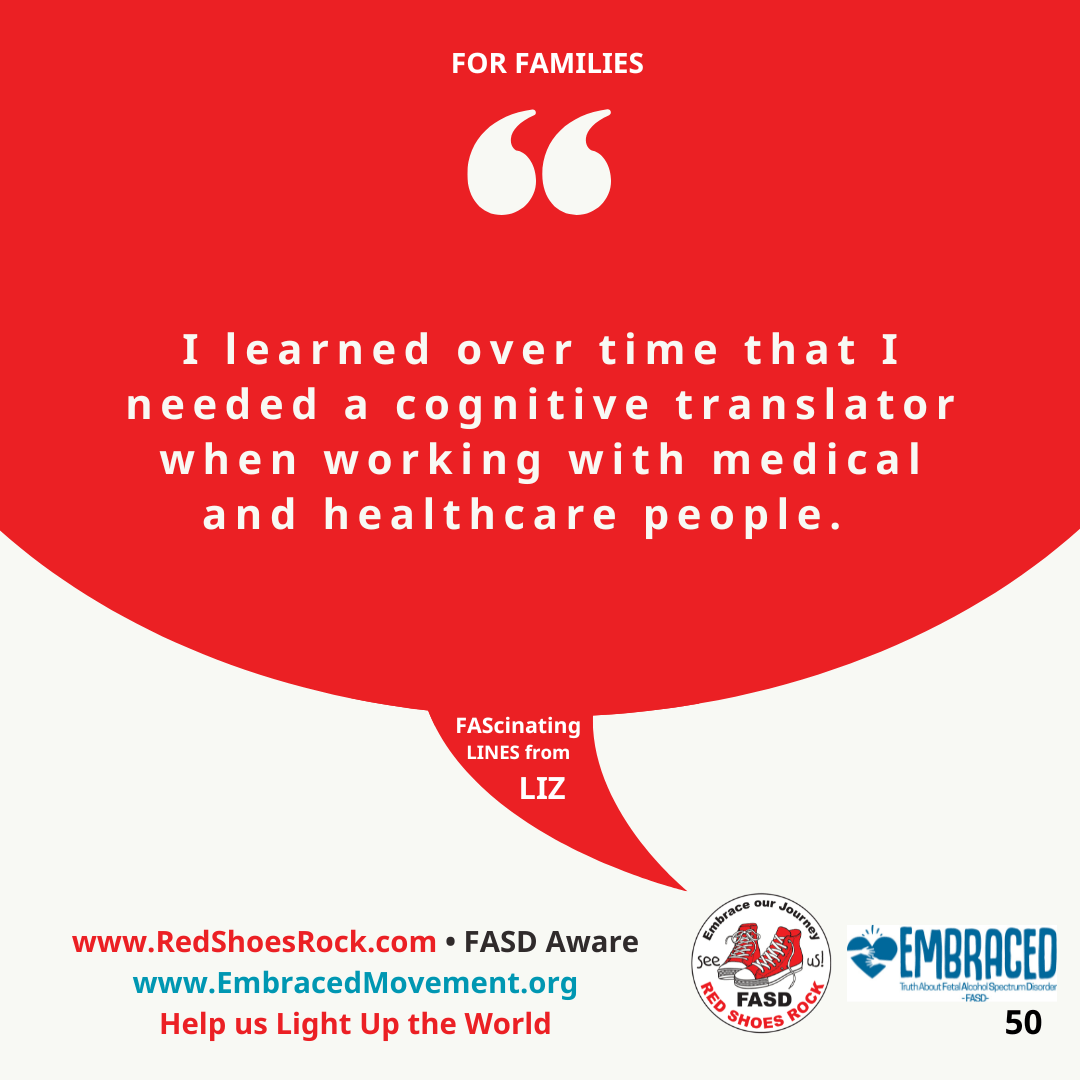
In our journey towards inclusive and effective healthcare, it’s crucial to shine a light on the unique challenges faced by individuals with Fetal Alcohol Spectrum Disorder (FASD) when navigating medical environments. Today, we’re exploring why people with FASD are particularly vulnerable during interactions with healthcare professionals and what can be done to address these issues.
The Invisible Barrier
FASD is often referred to as an “invisible disability,” and nowhere is this more apparent than in healthcare settings. The neurological effects of prenatal alcohol exposure can create significant hurdles in medical interactions, often unrecognized by healthcare providers.
The Knowledge Gap
One of the primary issues is the lack of awareness and expertise among medical professionals. Despite FASD affecting a significant portion of the population, many healthcare providers lack:
- Sufficient knowledge for identification and assessment of FASD
- Expertise in managing patients with FASD
- Understanding of appropriate referral pathways
This knowledge gap can lead to missed diagnoses, misdiagnoses, and inadequate care for individuals with FASD.
Communication Challenges
Effective communication is the cornerstone of good healthcare, but for individuals with FASD, this can be a significant hurdle:
- Difficulty articulating symptoms and experiences
- Struggles with understanding complex medical information
- Memory issues that affect accurate reporting of medical history
These communication challenges can lead to misunderstandings, incorrect treatments, and frustration for both patients and healthcare providers.
The Decision-Making Dilemma
FASD can impact judgment and decision-making abilities, which becomes particularly problematic in medical settings where informed consent is crucial. Individuals with FASD may:
- Struggle to fully comprehend treatment options
- Have difficulty weighing the risks and benefits of procedures
- Be more susceptible to suggestion, potentially agreeing to treatments they don’t fully understand
The Risk of Misinterpretation
Perhaps one of the most significant challenges is the risk of healthcare professionals misinterpreting FASD-related behaviors. What may be seen as non-compliance or lack of cooperation could actually be symptoms of the disorder, such as:
- Difficulty processing information
- Sensory sensitivities in medical environments
- Anxiety in unfamiliar situations
A Call for Change
Recognizing these vulnerabilities is the first step toward creating a more inclusive and effective healthcare system. Here’s what we need to do:
- Training for Healthcare Professionals: Comprehensive education on FASD and its implications for patient care is crucial.
- Improved Screening and Diagnostic Tools: Developing and implementing standardized screening tools for FASD in healthcare settings.
- Support During Medical Interactions: Ensuring individuals with FASD have appropriate support and advocacy during medical appointments and procedures.
- Adapted Communication Strategies: Implementing communication methods that are effective for individuals with FASD.
- Policy Changes: Creating healthcare policies that recognize and accommodate the unique needs of patients with FASD.
Moving Forward
While the challenges are significant, there’s hope. By increasing awareness, providing proper training, and implementing supportive policies, we can create a healthcare environment that truly serves individuals with FASD. It’s not just about protecting a vulnerable population – it’s about building a healthcare system that provides equitable, effective care for all, regardless of neurodevelopmental differences. As we move forward, let’s commit to making these necessary changes, ensuring that every individual receives the understanding, respect, and quality care they deserve in medical settings.
TODAY’S NOTE: “The language of health care people, of not being taken seriously or listened to in mind bending. – In Solidarity, Liz“
 Red Shoes Rock