
Setting and achieving goals can be challenging for individuals with Fetal Alcohol Spectrum Disorders (FASD). By breaking down goals into smaller, manageable steps and celebrating each milestone, caregivers can help individuals stay motivated and experience a sense of achievement.
Here’s how to do it effectively:
Step-by-Step Guide:
1. Define the Ultimate Goal: Start by clearly defining the ultimate goal. For example, if the goal is to clean a bedroom, write down “Clean the Bedroom” as the end objective.
2. Break Down the Goal: Divide the ultimate goal into smaller, more manageable tasks. Each task should be simple and specific. If the BE SPECIFIC ANSWERS are from the person you love with FASD what can you do to make this easier.
Here is how your best efforts can GO WRONG
DRAW or WRITE example:
- Put clothes in the hamper/basket/box (BE SPECIFIC – Do you want ALL the clothes in hamper? How about the clothes in my drawers?)
- Put away toys (BE SPECIFIC – Where do I put them? Can I just push them all under the bed with the sandwich I ate last night?)
- Make the bed (BE SPECIFIC – I can’t make a bed, the furniture company does that!)
- Dust the surfaces (BE SPECIFIC – Do I need to dust the walls and ceilings and windows? What is a surface?)
- Vacuum the floor (BE SPECIFIC – My ears can’t stand that noise! The vibrations makes me jiggly?)
3. Create a Visual Checklist: Use a visual checklist to outline each step. This could be a poster board, a whiteboard, or a laminated sheet with pictures and words representing each task. Visual aids help individuals with FASD better understand and follow the steps.
4. Set Short-Term Targets: Set short-term targets for completing each step. For instance, focus on picking up toys before moving on to the next task. Ensure each step is achievable in a short amount of time to maintain motivation and prevent overwhelm.
5. Provide Immediate Feedback and Praise: After each step is completed, provide immediate feedback and praise. This could be verbal praise like “Great job picking up the toys!” or a high-five. Immediate positive reinforcement helps reinforce the behavior and keeps motivation high.
6. Use Tangible Rewards: Incorporate tangible rewards for each completed step. For example, after picking up toys, the individual might earn a sticker or token. Accumulating tokens can lead to a larger reward, such as extra screen time or a small treat.
7. Celebrate Small Wins: Celebrate each small win to keep the individual motivated. Celebrations don’t need to be elaborate; a simple cheer, a small dance, or a quick game can make a significant impact. Recognize and celebrate the effort and progress, not just the final outcome.
8. Adjust as Needed: Be flexible and adjust the steps as needed based on the individual’s progress and feedback. Some steps might need to be broken down further or combined if they prove too easy or too challenging.
9. Create a Visual Progress Tracker: Use a visual progress tracker like a path or a ladder where the individual can move a marker, sticker, or token along the path as they complete each step. This visual representation of progress can be very motivating.
10. Summarize and Reflect: At the end of the goal-setting process, summarize the achievements and reflect on the journey. Highlight the progress made and discuss any challenges faced and how they were overcome. This reflection helps build a sense of accomplishment and resilience.
Example Scenario:
Here’s how the steps to clean the bedroom can be presented in a way that may be easier to understand for someone with FASD.
WRITE or DRAW and allow your child to do this with you ONE CARD AT A TIME – here are some ideas:


FRONT SIDE
OF INDEX CARD –
Here are three ideas that may work for you and your child. You may be surprised at how well your child can draw or create their own symbols to help them remember. Take you time TOYS can be a lot! Go on a Lego treasure hunt and put the Legos back into their home.
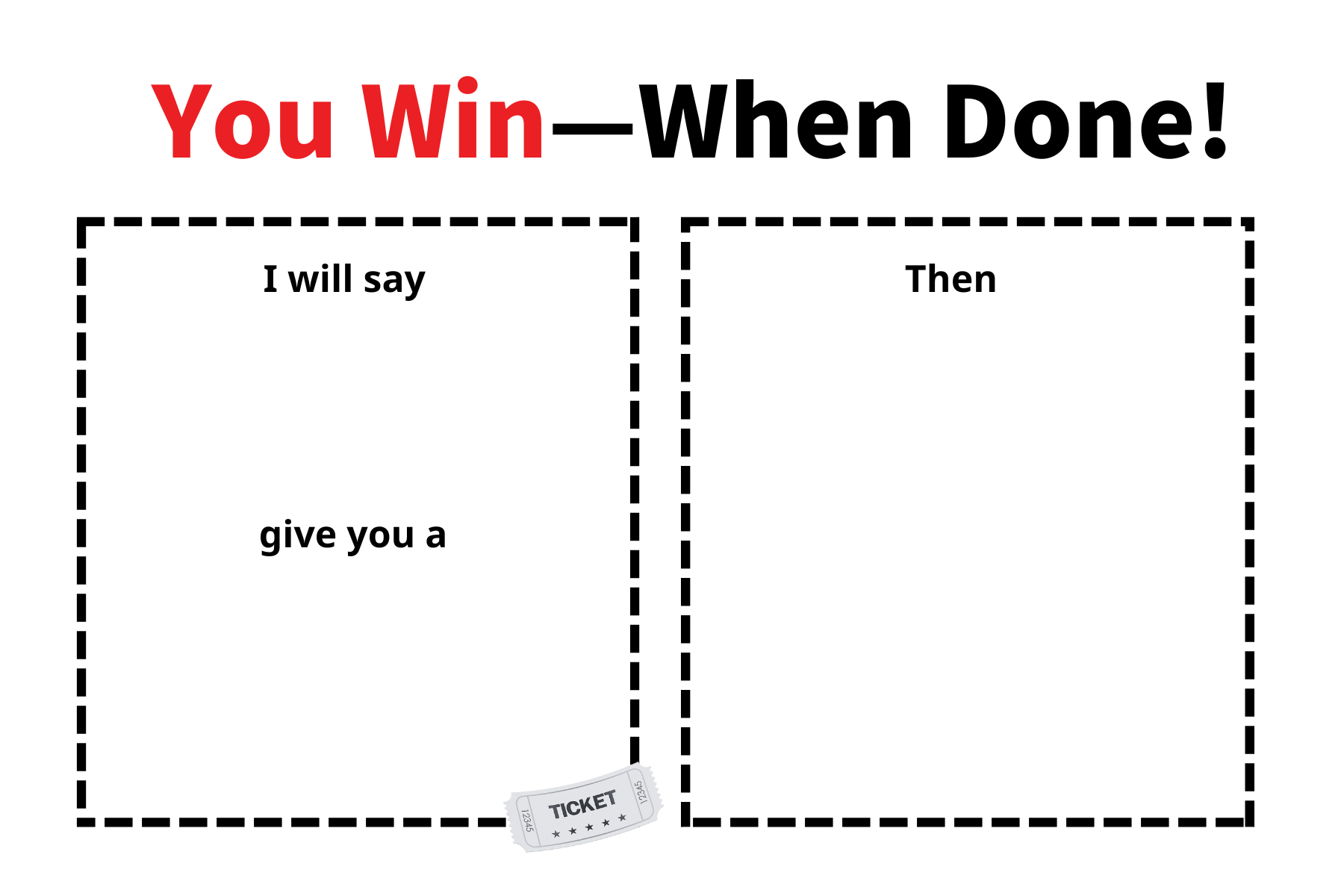

BACK SIDE
OF INDEX CARD –
Work with the person you love to decide what you will put on the back side.
Goal: Clean the Bedroom
Step 1: Pick up toys
- Look around and find all the toys
- Put the toys in a toy box or basket
- When done, I will say “Great job!” and give you a sticker to put on ____
- Then we will do a happy dance together!
Step 2: Put clothes in the hamper
- Look for any clothes on the floor or furniture
- Put the clothes in the hamper
- When done, I will say “Well done!” and give you another sticker to put on ____
- Then we will play a quick game.
Step 3: Make the bed
- Pull up the sheets and blankets
- Smooth out the bedding
- Fluff the pillows and put them at the top
- When done, I will say “Awesome work!” and give you a token toward your ____
- Then we will sing a favorite song
Step 4: Dust surfaces
- Use the dust cloth to wipe the surfaces
- Dust the dresser, nightstand, and shelves
- When done, I will check how you did and say “Nice job!” and give you another token toward your ____
- Then you can have a small treat
Step 5: Vacuum the floor
- Plug in the vacuum and turn on the vacuum
- Push the vacuum back and forth across the floor
- Vacuum all the corners and under the bed
- When done, I will say “Fantastic!” and give you one more token toward your ____
- Then you can trade your tokens for ____ (extra screen time, time with ____, etc)!
Let me know if you need any help or have questions along the way. We’ll take it one step at a time!
By breaking down the goal into tiny steps and celebrating each milestone, individuals with FASD can stay motivated and experience a sense of achievement at every stage, ultimately leading to successful goal completion.
TODAY’S NOTE: “Break it down into words that cannot be misunderstood. Look beyond what you think you see or understand for my truth.” – In Solidarity, Liz
 Red Shoes Rock