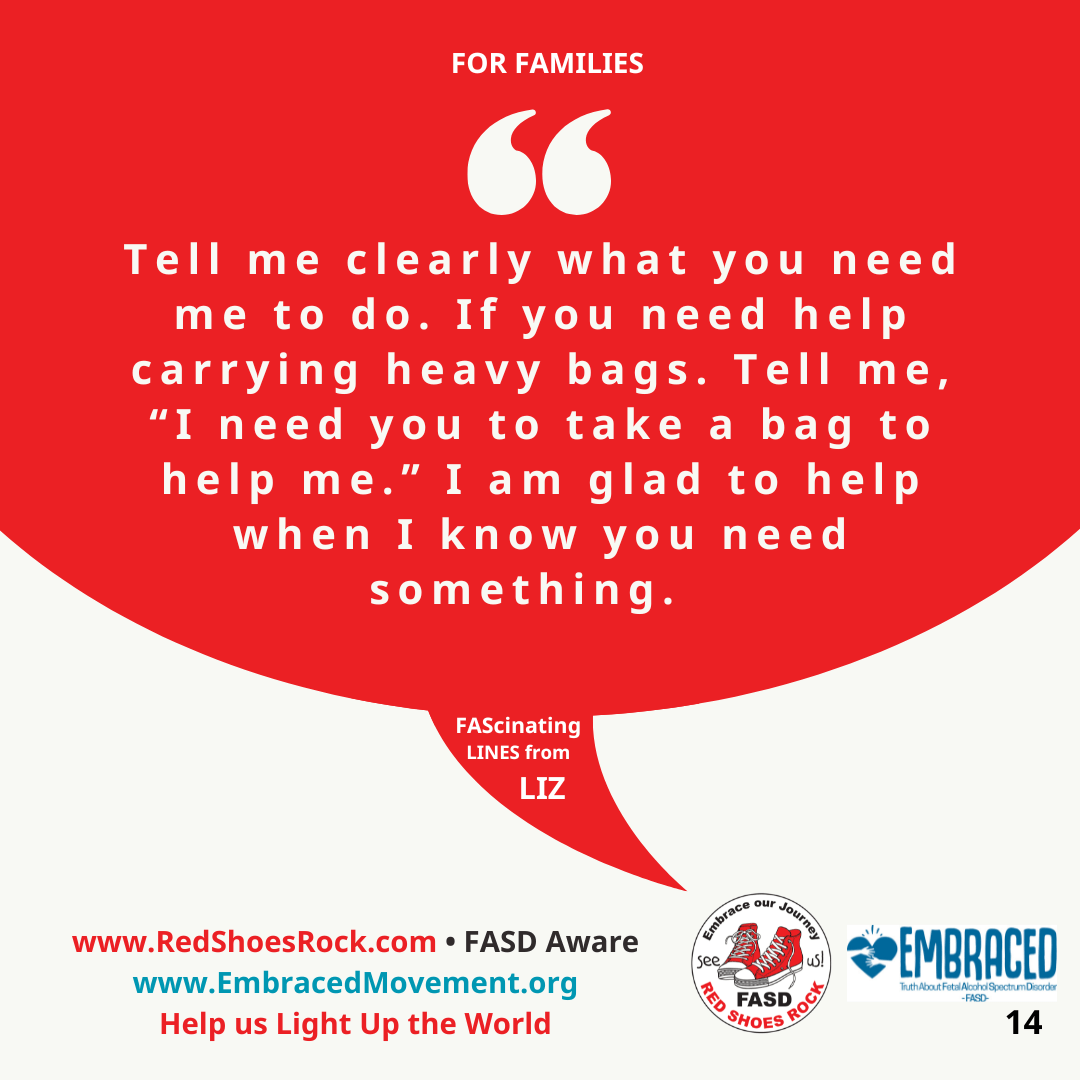
Communication is key to getting the support you need, especially when it comes to asking for help. Whether you’re asking a friend, family member, or colleague, being clear and direct about your needs can make all the difference. For persons with neurodivergence clarity helps keep relationships strong.
Here’s why it’s important and how to do it effectively.
- Be Direct and Specific: When you need assistance, it’s crucial to be direct and specific. Vague requests can lead to confusion and may not get you the help you need. For example, if you need help carrying heavy bags, say, “I need you to take a bag to help me.” This clear and concise request leaves no room for misunderstanding and allows the person to know exactly what is needed.
- Use Simple Language: Using straightforward and simple language can help ensure that your request is understood. Avoid using complex sentences or indirect hints. Direct statements like, “Can you help me with this task?” or “Please assist me in moving this item,” make it easy for others to grasp your needs quickly.
- Express Gratitude: People are generally more willing to help when they feel appreciated. A simple “thank you” or expressing your gratitude in advance, such as “I appreciate your help with this,” can go a long way in fostering a supportive and cooperative environment.
- Non-Verbal Cues: Your tone of voice, facial expressions, and body language can also convey your needs effectively. A friendly and open demeanor can make others feel more comfortable and willing to assist you.
- Follow-Up: If the person agrees to help, make sure to follow up and confirm the details. This could involve specifying the time and place or providing additional instructions if necessary. Clear follow-up ensures that everyone is on the same page.
- Be Ready to Reciprocate: Building a supportive relationship is a two-way street. Be prepared to offer help when others need it. This mutual support strengthens relationships and creates a network of assistance.
Why It Matters: Clear communication is not just about getting the help you need; it’s about creating an environment where people feel comfortable and confident in their interactions. When you communicate your needs clearly, you’re not only more likely to get the help you require, but you’re also helping others understand how best to support you.
In conclusion, clearly stating what you need, using simple language, and expressing gratitude are key elements of effective communication. When you make it easy for others to understand your needs, you foster a more supportive and responsive environment. So, the next time you need help, don’t hesitate to be direct and clear about what you need—people are glad to help when they know exactly how to do so.
TODAY’S NOTE: I want to be helpful. It is important I know what to do and what you expect from me. – In Solidarity, Liz
 Red Shoes Rock